Top 10 Benefits of Using Plain Bearing Housing for Industries?
In the modern industrial landscape, efficiency and reliability are paramount. One component that plays a crucial role in achieving these goals is the Plain Bearing Housing. This innovative solution has gained traction across various industries for its numerous advantages. Organizations that adopt Plain Bearing Housing often notice improved machinery performance and reduced maintenance costs.
Plain Bearing Housings offer enhanced durability and strength. They are designed to withstand heavy loads while minimizing wear and tear. This durability can lead to longer equipment lifespans, ultimately saving companies money. However, not all industries fully utilize these benefits. Some may overlook the importance of proper installation and material selection, which can hinder performance.
The versatility of Plain Bearing Housing makes it suitable for various applications. From automotive manufacturing to aerospace, its benefits are far-reaching. Yet, it is vital for industries to consider the unique requirements of their operations. Reflecting on these aspects can lead to better decision-making regarding equipment upgrades. Embracing technology like Plain Bearing Housing can set companies on the path to achieving greater operational excellence.
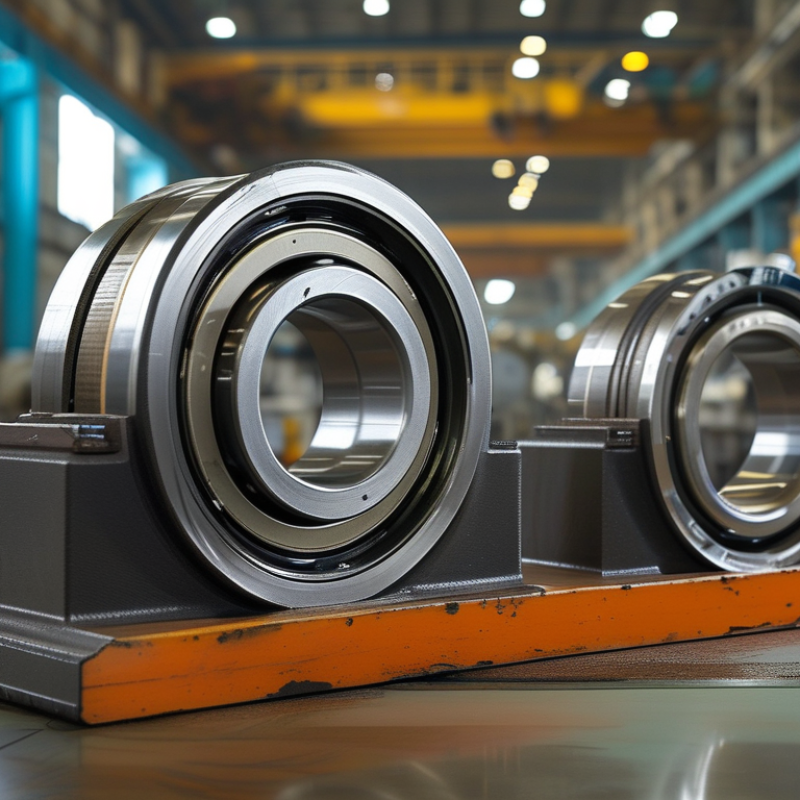
Key Advantages of Plain Bearing Housing in Industrial Applications
Plain bearing housings offer significant advantages for various industrial applications. One noteworthy benefit is their simplicity. These components allow for easier assembly and disassembly, making maintenance straightforward. Less downtime means increased productivity. When equipment can be serviced quickly, operations run smoothly.
Durability is another key advantage. Plain bearing housings often endure harsh conditions. They can withstand high loads and resist wear over time. This reliability reduces the frequency of replacements. However, without proper lubrication, even the best designs can fail. It’s essential to monitor and maintain lubricants to prevent damage. Regular checks can prolong the lifespan of these components.
Cost-effectiveness is also evident in plain bearing housings. Their production and maintenance costs tend to be lower than complex bearing systems. Yet, it is vital to consider the materials used. Cheaper materials may lead to frequent failures. This could negate initial savings. Investing in quality materials may require a higher upfront cost, but it often leads to better long-term value.
Enhanced Durability and Longevity in Heavy-Duty Environments
Plain bearing housings offer significant advantages in heavy-duty environments. These components are designed to endure harsh conditions, making them ideal for various industrial applications. According to a report by the American Society of Mechanical Engineers, using plain bearings can lead to a 30% increase in operational lifespan compared to traditional bearings. This durability translates into reduced maintenance costs and higher overall efficiency.
In demanding conditions, plain bearing housings excel due to their ability to handle high loads. They can withstand extreme temperatures and corrosive substances. A study conducted by the International Journal of Engineering found that plain bearings maintain performance even in severe environments, often exceeding the expectations of industry standards. This resilience contributes to minimized downtime, allowing industries to maximize production outputs.
While plain bearing housings demonstrate exceptional properties, some challenges remain. They may require specific lubricants to function optimally, particularly in high-stress applications. Furthermore, installation precision is crucial; misalignment can lead to premature wear. Nevertheless, understanding these nuances is essential for industries looking to optimize their heavy-duty equipment and ensure longevity.
Cost-Effectiveness of Plain Bearing Housing for Industrial Operations
Plain bearing housing is gaining popularity among industries for its cost-effectiveness. One primary reason is reduced manufacturing costs. These housings simplify design and can lead to lower expenditure on materials. The ease of installation further cuts down labor costs. Many businesses find that switching to plain bearing housing saves money in the long run.
The maintenance required for plain bearings is often less intensive. Routine checks can spot wear before it becomes a larger issue. However, neglecting these checks can lead to costly downtime. Efficiency in operation can be hampered if components are not regularly monitored. Regular maintenance is crucial for prolonged performance.
Here are some tips: Always assess the specific needs of your machinery. Consider lifespan versus cost when selecting materials. Monitoring temperature and vibration helps detect irregularities. Implementing these practices can extend the life of plain bearing systems. Think critically about potential failures to ensure efficient industrial operations.
Top 10 Benefits of Using Plain Bearing Housing for Industries
Simplified Maintenance and Reduced Downtime in Manufacturing Processes
Plain bearing housings offer significant advantages for industries, particularly when it comes to maintenance and reducing downtime. Regular maintenance is crucial in manufacturing processes, where the efficiency of machinery directly impacts productivity. Plain bearings require less frequent lubrication compared to other types, leading to fewer interruptions. They simplify the inspection process, making it easier for maintenance teams to identify issues before they escalate.
Employees can conduct maintenance checks quickly, enhancing overall workflow. The design of plain bearing housings allows for effective heat dissipation, reducing the risk of overheating. However, it is essential to monitor the condition of the bearings regularly. Neglecting to check for signs of wear can lead to unexpected breakdowns. Frequent training for technicians can help mitigate this risk.
Moreover, industries can benefit from a better understanding of their equipment's life cycles. It is important to assess which materials work best in different environments. Proper alignment of bearing housings is critical; misalignment can lead to premature failure. Owing to these challenges, teams should develop a robust maintenance plan. An informed approach ensures that manufacturing processes remain efficient and reliable, ultimately supporting consistent production output.
Versatility of Plain Bearing Housing Across Various Industries
Plain bearing housings offer notable versatility in various industries, showing significant adaptability across multiple applications. According to a report by Smithers Pira, the plain bearing market is projected to grow at 5.6% annually. This growth is driven by their application in sectors ranging from automotive to aerospace. The lightweight nature of these housings reduces overall machinery weight while maintaining strength.
Industries benefit from plain bearings due to their simplicity. They require less maintenance compared to traditional bearings. This feature allows industries to focus resources on production instead of repairs. For instance, the construction sector has reported a 30% decrease in downtime by using plain bearing housings. Yet, the effectiveness can falter if not regularly checked for alignment or lubrication levels.
In the manufacturing realm, efficiency is key. Plain bearing housings are often chosen for their cost-effectiveness. While they are easy to install, improper installation can lead to premature wear. A study by the National Research Council emphasizes the importance of proper setup. Poor installation practices can negate the advantages plain bearings offer, leading to higher operational costs. Industries must stay vigilant to ensure they reap the full benefits of these versatile components.