The Duravant family of operating companies serve the food processing, packaging and material handling segments.

In the industrial landscape, efficiency and reliability are paramount. One tool that significantly enhances these aspects is the Rotary Vane Vacuum Pump. This technology is not merely a mechanical device; it represents a blend of engineering precision and practical application. Industries ranging from food processing to pharmaceuticals recognize its value.
A Rotary Vane Vacuum Pump operates by using rotating vanes to create a vacuum. This mechanism is known for its ability to maintain consistent performance, even in challenging environments. Users often commend its low maintenance needs and operational simplicity. The pump’s design allows for effective suction and helps in waste removal processes.
However, businesses must consider specific factors before choosing this equipment. Understanding the exact requirements, such as the vacuum level and the drawn volumes, is crucial. Overlooking these details can lead to inefficiencies. Reflecting on the implementation of a Rotary Vane Vacuum Pump is essential for achieving optimal results in any industrial setting.
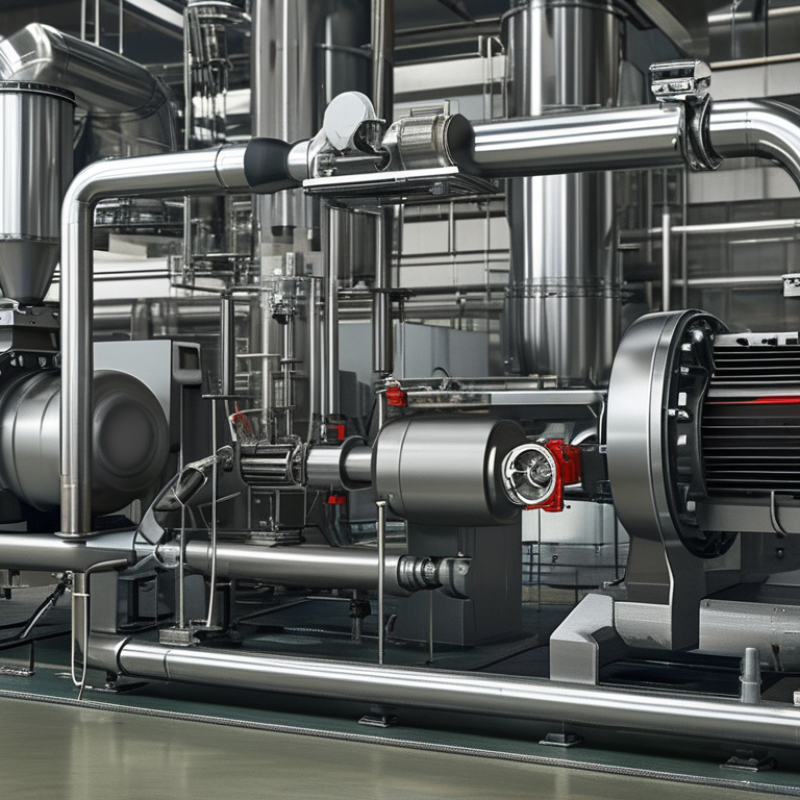
Rotary vane vacuum pumps offer several advantages in industrial applications. These pumps are known for their durability and reliability. Their design enables stable performance even in challenging environments. Industries rely on these pumps for consistent vacuum levels. This is essential in processes like packaging, food processing, and pharmaceuticals. The ability to maintain a steady vacuum reduces production disruptions.
One significant benefit is energy efficiency. Rotary vane pumps consume less energy than other types of vacuum pumps. This translates to cost savings for businesses over time. Moreover, they require less maintenance, which further reduces operational costs. Their simple design allows for easy servicing. However, users must remain vigilant about wear and tear. Regular inspections can help avoid potential issues.
Rotary vane pumps also provide versatility. They can handle a wide range of applications, from smaller tasks to heavy-duty industrial needs. This adaptability makes them a valuable asset across various sectors. While they have many benefits, users should be aware of the limitations, such as noise levels and potential oil emissions. Addressing these factors can lead to improved efficiency and overall performance in the long run.
Rotary vane vacuum pumps have gained popularity in various industries for their efficiency and reliability. This technology uses rotating vanes to create a vacuum, making it suitable for tasks that require consistent suction. In manufacturing, these pumps deliver exceptional performance for processes like packaging and material handling. Their design ensures minimal maintenance, which reduces downtime in production lines.
Despite their advantages, some users report that the initial setup can be complex. Proper installation is crucial for optimal performance. Moreover, while rotary vane pumps are efficient, they may be less effective under extreme conditions, such as high temperatures or corrosive environments. Regular monitoring can help address these issues and enhance the pump's longevity. Relying solely on one type of pump might not be advisable for every industry. Businesses should assess their specific needs thoroughly.
Using rotary vane technology can lead to significant energy savings. These pumps often consume less power than other vacuum pump types. This efficiency can translate into lower operational costs. Furthermore, a consistent vacuum level can improve product quality, providing a competitive edge in the market. Careful consideration of all factors helps businesses maximize their investment in this technology.
Rotary vane vacuum pumps offer significant cost-effectiveness for long-term industrial use. Their design allows for lower energy consumption compared to alternative pumps. This can lead to substantial savings on electricity bills. Over time, the initial investment in these pumps pays off. Maintenance costs are often minimal, adding to their appeal in an industrial setting.
Additionally, these pumps have a relatively simple repair process. Many users find they can perform maintenance without professional help. This reduces downtime and the associated costs of having to hire technicians. However, some users may still face challenges in troubleshooting issues, which can lead to operational disruptions.
Durability is another crucial factor. Rotary vane pumps tend to have a long lifespan if properly maintained. They withstand heavy use in demanding conditions, making them a reliable choice. Despite their advantages, it’s essential to stay vigilant about regular maintenance. Neglecting this can lead to performance drops, which may increase overall costs unexpectedly. This aspect serves as a reminder that even dependable systems require attention and care.
Rotary vane vacuum pumps are highly versatile tools used across many industries. Their ability to create consistent vacuum levels makes them suitable for diverse applications. In manufacturing, they support packaging, while in laboratories, they assist in sample preparation. Each industry benefits from their reliability and efficiency.
Tips: Regular maintenance can enhance the performance of rotary vane pumps. Checking for leaks and replacing worn vanes can prevent operational issues. Schedule routine inspections to avoid unexpected breakdowns.
In the food industry, these pumps play a crucial role in preserving freshness. They help create vacuum seals that extend food shelf life. However, users must be cautious of pump contamination. Ensuring cleanliness is vital for product safety. In pharmaceutical settings, the sterile environment is paramount. Mistakes in maintenance can lead to costly errors or compromised products.
Overall, the versatility of rotary vane vacuum pumps is clear. Their application ranges widely, but proper handling and upkeep cannot be overlooked. Organizations must continually evaluate their processes to ensure optimal use.
Rotary vane vacuum pumps are increasingly favored in various industries for their maintenance and durability advantages. The design of these pumps allows for simple access to internal components. This feature facilitates regular inspections and maintenance checks. According to industry reports, rotary vane pumps can operate continuously for over 5,000 hours before extensive maintenance is required. When compared to other pump types, they show significantly reduced downtime.
Another key benefit is the lasting durability of rotary vane pumps. Their robust construction often withstands harsh operational conditions. Using high-quality materials contributes to their longevity. A study indicates that with proper care, these pumps can last up to 10 years, outpacing many alternatives. However, it’s essential to regularly monitor oil levels and replace vanes as needed. Neglecting these aspects may lead to reduced performance and unexpected costs for repairs.
The energy efficiency of rotary vane pumps also demands attention. They typically consume less energy than their diaphragm counterparts. This efficiency not only reduces operating costs but also improves overall sustainability. Nevertheless, industry users sometimes overlook proper load handling, which can lead to premature wear. Awareness of these factors is crucial for maintaining performance and cost-effectiveness.