What are the Benefits of Inox Coil for Global Buyers?
Inox Coil is gaining traction among global buyers for its numerous advantages. This stainless steel product is known for its durability and corrosion resistance, making it suitable for a range of applications. From construction to manufacturing, Inox Coil offers versatility that buyers are increasingly seeking.
Many industries benefit from the strength of Inox Coil. Its smooth surface facilitates easy cleaning, which is vital for sectors like food processing and healthcare. Inox Coil's lightweight nature makes it an efficient choice, too. However, some buyers may not fully understand its long-term cost-effectiveness.
Challenges exist as well. Not all suppliers provide high-quality Inox Coil consistently. Buyers must carefully choose trusted manufacturers to ensure reliability. The market is competitive, and variations in quality can affect overall satisfaction. Heightened scrutiny of sourcing practices is crucial for making informed decisions.
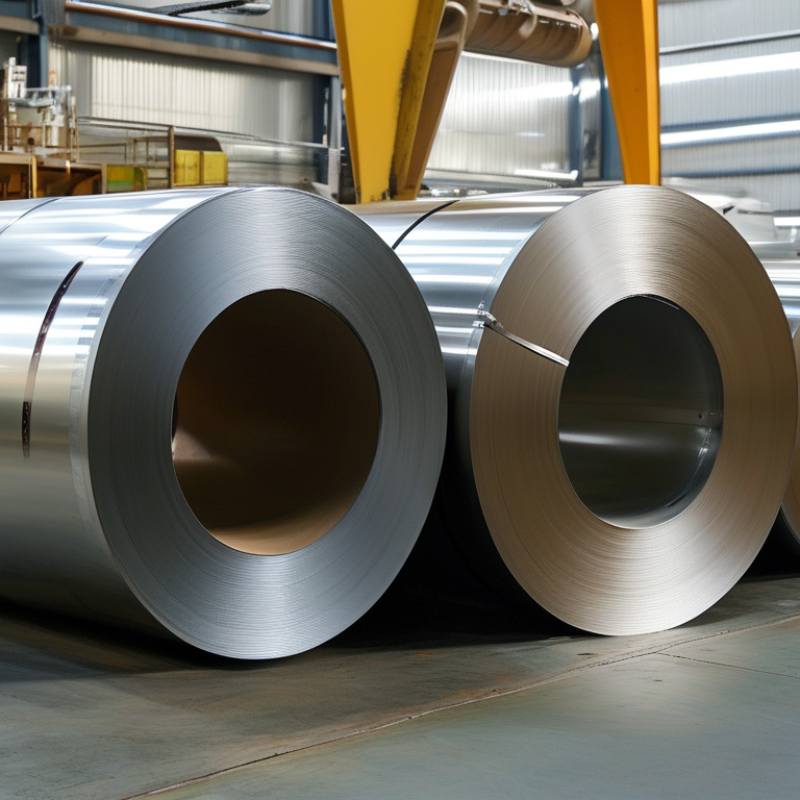
Benefits of Inox Coil: An Overview for Global Buyers
Inox coil, or stainless steel coil, offers numerous benefits for global buyers. Its resistance to corrosion is a significant advantage, making it ideal for various applications. According to industry data, stainless steel's global market is projected to reach $200 billion by 2025. This indicates a growing trust in inox products and their lifespan.
Another benefit of inox coil is its versatility. It can be used in construction, automotive, and food processing industries. The malleability of inox allows it to be formed into different shapes easily. Reports suggest that the construction sector alone accounts for over 50% of stainless steel usage worldwide. This figure underscores the material's critical role in supporting modern infrastructures.
Tips: Consider the specific requirements of your project when selecting inox. Quality matters significantly in performance and durability. Always source from reliable suppliers to ensure compliance with international standards. Evaluate the cost-effectiveness of using inox coil in your applications, even though the initial investment may be higher. Over time, the longevity of the material may lead to savings.
Durability and Corrosion Resistance of Inox Coil
Inox coil, noted for its durability, is increasingly favored by global buyers. This material excels in various applications due to its impressive corrosion resistance. Unlike other metals, inox coil does not easily degrade when exposed to moisture or harsh chemicals. This trait makes it ideal for industries like construction and food processing, where reliability is crucial.
Buyers must consider the long-term benefits of investing in inox coil. While the initial cost may be higher than alternatives, the lifespan of inox products often offsets this expense. Over time, the resilience of inox reduces the need for frequent replacements. This translates into significant savings for businesses reliant on durable materials.
However, it's important to acknowledge some challenges. Not every inox product is equal, and quality can vary. Buyers should engage with reputable suppliers to ensure they receive products meeting industry standards. Additionally, proper maintenance is necessary to uphold corrosion resistance. Without such attention, even inox can fall short of its potential.
Cost-Effectiveness of Inox Coil in Long-Term Applications
Inox coils offer significant cost-effectiveness for long-term applications. Their durability and resistance to corrosion lead to lower maintenance costs over the years. Buyers can expect reduced expenditures in repairs and replacements. This advantage makes Inox coils appealing for industries that require reliable materials for harsh environments.
When choosing Inox coils, it’s essential to consider the specific application. Not all grades suit every purpose. Ensuring the right grade can prevent costly mistakes. Evaluate your project’s needs carefully. A hasty decision may result in performance issues.
**Tip:** Compare the upfront costs with long-term savings. Sometimes, higher initial investments yield greater overall benefits. Taking the time to analyze total cost can guide better purchasing decisions.
Using Inox coils can lead to increased efficiency in manufacturing processes. Their properties enhance production consistency and product lifespan. These benefits contribute to improved customer satisfaction and loyalty, ultimately affecting the bottom line positively.
What are the Benefits of Inox Coil for Global Buyers? - Cost-Effectiveness of Inox Coil in Long-Term Applications
| Benefit | Description | Long-Term Cost Savings (%) |
| Corrosion Resistance | Inox coils provide high resistance to rust and corrosion, improving lifespan. | 30% |
| Durability | Resistant to wear and tear, leading to fewer replacements over time. | 25% |
| Low Maintenance | Reduced frequency of maintenance due to robust materials. | 20% |
| Recyclability | Inox coils can be recycled, reducing waste and material costs. | 15% |
| Aesthetic Appeal | Provides a modern look suitable for various applications. | N/A |
Versatility of Inox Coil in Various Industries
Inox coils are becoming increasingly popular across various industries. Their durability and resistance to corrosion make them ideal for environments where harsh conditions prevail. For instance, food and beverage manufacturers rely on inox coils in storage tanks and processing equipment. The material ensures hygiene while maintaining structural integrity.
Additionally, the versatility of inox coils extends to construction and architecture. They are used in facades, railings, and structural components. Their aesthetic appeal adds a modern touch, while their strength guarantees longevity. However, it is important to note that not all inox alloys are suitable for every application. Buyers must conduct thorough research first.
Moreover, the automotive industry benefits from inox coils for exhaust systems and components. The lightweight nature combined with heat resistance provides better fuel efficiency. Nevertheless, some challenges exist, like finding the right supplier. This inconsistency can lead to delays in production or unsatisfactory materials. These factors highlight the necessity for careful selection and continual improvement in sourcing practices.
Environmental Benefits of Using Inox Coil in Manufacturing
The environmental benefits of using Inox coil in manufacturing are substantial. Stainless steel is 100% recyclable, which significantly reduces waste. According to industry reports, recycling stainless steel saves 75% of the energy required to produce new steel from raw materials. This efficiency helps lower carbon emissions, which are critical in the fight against climate change.
Moreover, Inox coils contribute to reducing the use of hazardous materials. Manufacturing processes that utilize these coils often comply with stringent environmental regulations. A report from the International Stainless Steel Forum highlights that the production of stainless steel results in lower levels of harmful emissions compared to non-stainless alternatives. This commitment to sustainability directly benefits global buyers looking for eco-friendly options.
There are challenges in sourcing high-quality Inox coils consistently, which can impact production schedules. Additionally, the cost of recycled materials fluctuates due to market demand. These factors encourage manufacturers to invest in developing efficient processes. Increased awareness about environmental issues may lead to better solutions over time, but the road ahead requires constant effort and innovation in sustainable practices.