Top 10 Automated Packaging Systems to Boost Your Business?
In the fast-paced world of packaging, an automated packaging system can be a game changer for businesses. Efficiency, consistency, and speed are paramount in today’s competitive landscape. With the right automated solutions, companies can streamline operations, reduce costs, and enhance product quality. As industries evolve, the demand for reliable packaging systems grows, making it essential to understand their value.
Yet, many businesses grapple with selecting the best system to suit their specific needs. It is not just about the technology; it involves assessing production volume, product type, and flexibility requirements. Some automated solutions may seem perfect on paper but may not deliver the expected results in real-world applications. This complexity can lead to costly mistakes if not approached thoughtfully.
The best automated packaging systems provide more than just speed. They integrate quality control, user-friendly interfaces, and adaptability. However, success with any system requires proper training and maintenance. Without these components, even the most advanced technology can fall short. This guide offers insights into the top automated packaging systems available, aiming to help businesses navigate their options effectively.
Benefits of Implementing Automated Packaging Systems in Business
Automated packaging systems offer numerous advantages for modern businesses. These systems can significantly enhance efficiency. By reducing manual labor, they free up employees for more strategic tasks. This shift leads to improved productivity overall. Efficient packaging also minimizes human error, ensuring consistent quality. Companies using automation often see a decrease in operational costs over time.
Another benefit is speed. Automated systems can package products faster than manual operations. This quick turnaround meets customer demands effectively. Moreover, automation allows for better scalability. As businesses grow, automated systems can adapt to increased volume without major overhauls. Investing in these systems might feel daunting initially, but the long-term gains can be impressive.
However, there are challenges to consider. Implementing automated packaging may involve high upfront costs. Businesses need to analyze their specific requirements before making a decision. Not every company will see immediate returns on investment. It's essential to weigh the pros and cons carefully. Continuous improvements after implementation are necessary for success. Taking the time to evaluate needs can lead to more informed choices.
Key Features to Look for in Automated Packaging Equipment
When considering automated packaging systems, several key features are critical to evaluate. First, look for versatility in packaging materials. The ability to handle different types of products and packaging formats can significantly enhance operational efficiency. Machines that are easily adjustable can save time and reduce material waste.
Next, consider speed and throughput. Modern automated systems should offer high-speed operations tailored to your production needs. This can help in meeting increasing demands while maintaining consistency in quality. Additionally, a user-friendly interface is essential. Operators should be able to easily configure and monitor the system.
Another important aspect is the reliability of the machinery. Consistent performance minimizes downtime, which can be costly. Frequent maintenance checks and immediate troubleshooting capability contribute to sustained productivity. Furthermore, energy efficiency is increasingly vital. Equipment designed for lower energy consumption can lead to substantial cost savings and a smaller carbon footprint. Evaluate these aspects carefully for a successful investment in automated packaging solutions.
Top 10 Automated Packaging Systems Currently Available in the Market
Automated packaging systems have transformed the way businesses operate. These systems enhance efficiency and minimize labor costs, making them a crucial part of modern logistics.
The variety of automated solutions available today allows companies to select options tailored to their specific needs. Ranging from simple case sealers to sophisticated robotic arms, there is something for every scale of operation.
Consider investing in a system that can adapt to your production changes. Flexibility is key. You may need different sizes or types of packaging materials as your product line evolves. Having machines that can accommodate such changes without extensive downtime is invaluable.
Additionally, ensure that your team receives proper training on the new systems. Misunderstandings may lead to inefficiencies that negate the benefits of automation.
Monitoring the performance of your system regularly is essential. While automation offers many advantages, it can also face operational challenges. A sudden glitch can cause significant delays.
Make sure you are prepared to handle these situations swiftly. Regular maintenance checks can prevent unexpected breakdowns, ensuring smooth production flow. Always keep an eye on system performance metrics to identify areas for improvement.
Cost Analysis: Investing in Automated Packaging Solutions
Investing in automated packaging solutions can significantly impact your business's efficiency and cost-effectiveness. Over time, these systems can reduce labor costs and minimize material waste. However, upfront costs can be high. Conduct a thorough cost analysis before making a decision. Consider your production volume and future growth.
When evaluating an automated packaging system, think about the potential return on investment. A high initial cost may deter some businesses, but the long-term savings can be substantial. Labor-saving technologies not only cut down on expenditure but can also enhance productivity. Communication with your team will ensure everyone is onboard for the transition.
Reflect on your needs when choosing an automated system. Will it accommodate different product sizes? Is it easy to operate? Spend time examining these factors to avoid costly errors. The right system should align with your operational goals and adapt to market changes. Staying flexible can improve profitability, but it requires investment in technology and training.
Case Studies: Successful Implementation of Automated Packaging Systems
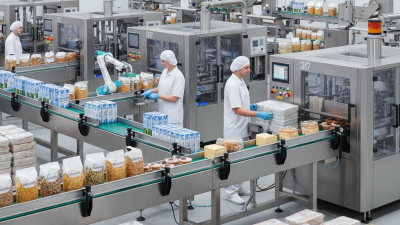
Automated packaging systems have transformed industries. Businesses that adopted these technologies often report significant gains in efficiency and accuracy. For instance, a food packaging company streamlined its operations by integrating a fully automated line. This shift reduced labor costs and minimized human error, allowing staff to focus on other critical tasks. The new system handled various package sizes, providing flexibility in production.
Another notable case involved a cosmetics manufacturer. By implementing an automated labeling solution, they achieved over 30% faster packaging speeds. However, the initial setup required meticulous planning and employee training. Workers had to adapt to new protocols, which created brief setbacks. But in the end, the transition led to improved product quality and customer satisfaction. Companies learned that investing in technology required ongoing adjustments and reflections on existing processes. Automation is not just about machines; human factors remain crucial to success.
Top 10 Automated Packaging Systems to Boost Your Business
This chart displays the implementation success rates of the top 10 automated packaging systems in enhancing business efficiency. As seen, each system has its strengths, with most achieving a success rate above 75%.