The Duravant family of operating companies serve the food processing, packaging and material handling segments.
The 2026 global market will not have one perfect Die Cutting Machine for every factory. Buyers must match machine design with material, order size, cutting accuracy, and production rhythm. A folding carton producer may need a high-speed flatbed press with quick make-ready features. A label converter may prefer rotary die cutting for continuous rolls and stable registration. Corrugated packaging plants often require robust systems that handle thick sheets without damaging printed surfaces.
Jean-Pascal Bobst, a recognized leader in packaging machinery, has described the industry’s direction as “connected, digital, sustainable and safe.” This view matters when comparing 2026 Die Cutting Machine types. Automation now includes camera inspection, waste monitoring, remote diagnostics, and recipe storage. These details reduce setup mistakes beside the press. They also help operators repeat a successful job after several weeks.
Speed alone is not enough.
A machine rated at 8,000 sheets per hour may lose its advantage during long changeovers. Tooling cost, feeder stability, energy use, service access, and operator training deserve equal attention. For small and medium buyers, an affordable machine with dependable local support may outperform a faster imported system. That point is easy to miss.
This guide will examine flatbed, rotary, platen, laser, and digital die cutting technologies for global buyers. It will compare suitable materials, applications, strengths, weaknesses, and ownership concerns. Some recommendations may remain conditional. Factory layouts differ. Labor skills differ. So do maintenance realities. Buyers should question attractive specifications and verify performance with their own samples before signing a purchase agreement.
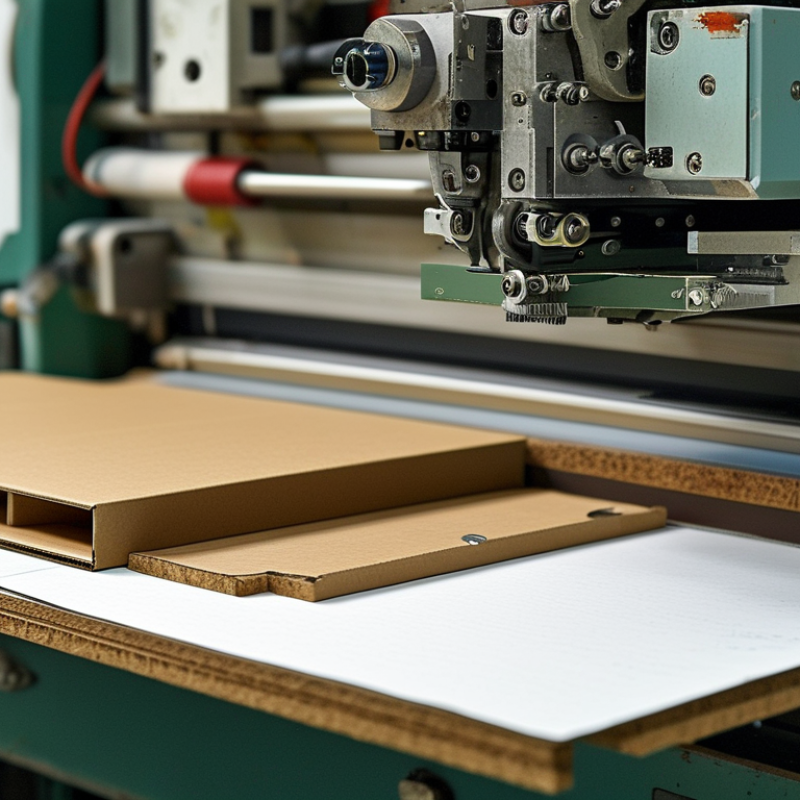
A die cutting machine shapes paper, film, foam, fabric, labels, or thin sheet materials. It uses a formed tool called a die. The die contains sharp edges, creasing rules, or punching features. Pressure pushes the die through the material against a firm surface. The result can be a precise outline, fold line, hole pattern, or layered part.
The working process begins with a digital drawing and a suitable die design. An operator places the material on a feed table or conveyor. Rollers guide it beneath the cutting station. The machine then applies controlled pressure for a measured time. Waste material is removed manually or through an automated stripping system. Flatbed machines suit short runs and thicker materials. Rotary machines support fast, continuous production from rolls. Laser systems cut without a physical die, although they require careful heat control.
Material testing matters more than impressive speed figures. A buyer should check cutting force, tolerance, setup time, and maintenance access. Dust, humidity, and uneven stock can change results. A clean first sample proves little. Real production may reveal edge tearing or inaccurate creases. This is where specifications need practical verification. Ask for sample trials using the intended material, thickness, shape, and production volume. Safety guards, emergency stops, operator training, and regional electrical compliance also deserve close attention.
In 2026, flatbed die cutting machines are likely to lead global demand for packaging, labels, and short-run commercial work. Their flexible tooling suits cartons, corrugated sheets, foam, and adhesive materials. In production evaluations, buyers often value stable registration more than maximum cutting speed. Rotary die cutting machines should remain strong in high-volume label and web-processing lines. They reduce repeated setup time and support continuous feeding. This matters when factories run long shifts and monitor material waste closely. Automation will influence both types. Servo control, camera inspection, and connected maintenance can improve consistency, but only when operators understand the data.
Laser die cutting machines may expand fastest in customized packaging and prototype work. They eliminate physical dies and handle frequent design changes with less tooling delay. However, heat-affected edges, ventilation needs, and material compatibility require careful testing.
Digital die cutters will also attract small and mid-sized converters. They support variable designs and economical sampling, though their output may not match heavy industrial lines. No forecast is perfect. Energy prices, labor skills, and regional packaging demand can change the ranking quickly.
Tips: Ask for sample trials using your real board, film, or foam. Compare output, waste, setup time, noise, safety systems, and service response. Request maintenance records and operator training details. A cheaper machine can become expensive when calibration drifts. Test one difficult job, not only the easiest sample. That exposes weaknesses early.
Choosing a die cutter in 2026 starts with the material, not the machine label. Flatbed, rotary, and digital systems solve different production problems.
A flatbed cutter uses a reciprocating blade against a stationary sheet. It suits short runs, prototypes, thick board, foam, and mixed shapes. Operators can change jobs quickly. Tooling costs are usually modest, but cutting speed may limit large orders. Rotary die cutters use a cylindrical tool and run continuously through web-fed material. They deliver strong consistency for long runs, especially labels, cartons, and thin films. However, cylinder preparation adds cost and reduces flexibility between unusual designs. The process also demands accurate pressure settings.
Digital die cutters remove physical dies and follow electronic cutting files. They support variable graphics, quick sampling, and personalized packaging. Camera registration can align cuts with printed marks. No die is required. Still, digital cutting may slow down on dense board or repetitive high-volume work. Blade wear, software settings, and material curl can affect edge quality.
A practical buyer should test real samples before approving specifications. Measure cut accuracy, waste, setup time, noise, and operator workload. Ask for results across the intended material range. One overlooked weakness is maintenance discipline. Even a precise system can drift when blades, cylinders, or sensors are neglected. I would also compare safety guarding, training requirements, service access, and documented compliance. The cheapest machine may create expensive delays. Record actual output during a full shift, not only during a short demonstration.
2026 Top Die Cutting Machine Types for Global Buyers?
Choosing a die cutting machine starts with the material, not the machine catalog. Flatbed presses suit thick corrugated board, leather, rubber sheets, foam, and layered laminates. Their rigid tooling delivers clean outlines for cartons, protective inserts, gaskets, and short production runs. They handle depth changes well. However, setup can be slower when every order has a different shape. Shop trials should check edge compression, corner accuracy, and waste around each sample.
Rotary die cutters fit thin, flexible materials moving through continuous rolls. They work well with paper, film, foil, adhesive sheets, nonwoven fabric, and label stock. Converters use them for seals, packaging inserts, labels, and insulation parts. Their strength is speed and repeatability across large volumes. They are less forgiving with thick board or frequent design changes. Tooling cost and cylinder alignment deserve early checks. A small registration error can waste hundreds of meters.
Laser cutters suit prototypes, intricate contours, and low-volume work in paper, textiles, wood veneer, and some plastics. No physical die is needed, reducing tooling delays. Yet heat can darken edges, melt films, or alter delicate fabrics. Digital knife systems offer another option for corrugated board, foam, felt, and flexible composites. They avoid die costs, but speed may drop on repetitive orders. Specifications often look precise. Real materials are not. Buyers should test the actual substrate, adhesive, thickness, humidity, ventilation needs, guarding, and local electrical requirements before production.
The chart uses a practical suitability score from 1 to 5, where 5 indicates a strong fit for regular production. Flatbed platen machines are versatile for paperboard, corrugated packaging, foam, and gaskets. Rotary die cutters are best suited to high-volume labels, films, tapes, and thin flexible materials. Laser systems support intricate, contactless cutting for leather, textiles, films, and prototypes. Waterjet machines are appropriate for thick foam, rubber, composites, and other heat-sensitive materials. Flatbed digital cutters provide flexible short-run processing for packaging prototypes, corrugated board, foam, and customized products.
How Can Global Buyers Choose the Right Die Cutting Machine?
Global buyers should begin with the material, not the machine catalog. Paperboard, corrugated board, labels, foam, and flexible films need different cutting pressures and tooling. Flatbed machines suit varied jobs and short runs. Rotary machines usually fit high-volume production. Laser systems offer rapid changeovers, but heat-sensitive materials require careful testing.
Market signals also matter. Smithers’ The Future of Global Packaging to 2028 valued global packaging demand at approximately 1.2 trillion dollars in 2023, with continued growth forecast through 2028. The U.S. Census Bureau reported 1.19 trillion dollars in retail e-commerce sales during 2024, representing 16.1% of total retail sales. These figures suggest stronger demand for customized packaging and shorter production cycles. Not every buyer needs maximum speed.
Measure actual samples before approving specifications. Check cutting accuracy, waste percentage, tooling life, setup time, and operator skill requirements. A machine rated for 8,000 sheets per hour may perform poorly with complex layouts or frequent changeovers. Ask for a witnessed production trial. It exposes problems that brochures often hide.
PMMI’s 2024 Global Packaging Trends report highlights automation, labor efficiency, and sustainability as major industry pressures. Therefore, buyers should compare energy use, material utilization, inspection systems, and remote service capability. A cheaper machine can become expensive when spare parts arrive slowly. This is easy to underestimate. Some decisions still rely too heavily on headline speed.
| Machine type | Working principle | Best-suited materials | Typical applications | Production profile | Key advantages | Main limitations | Suitable buyer profile |
|---|---|---|---|---|---|---|---|
| Flatbed platen die cutter | A flat cutting die presses vertically onto sheet or web material. | Paperboard, corrugated board, leather, rubber, foam, gasket materials and thin plastics. | Folding cartons, packaging inserts, labels, gaskets, leather components and prototypes. | Medium to high volume; well suited to repeated jobs using dedicated dies. | Versatile, accurate, capable of creasing, embossing and perforating in one pass. | Requires a physical die; die preparation and changeover add time and cost. | Packaging converters and manufacturers with recurring production orders. |
| Rotary die cutter | A cylindrical die continuously cuts material moving through rotating cylinders. | Paper, film, foil, adhesive tapes, labels, nonwovens and flexible packaging materials. | Roll labels, pressure-sensitive products, medical disposables, tape products and high-volume packaging components. | High to very high volume; optimized for continuous roll-to-roll production. | High throughput, smooth web handling and efficient repeat production. | Less economical for short runs; cylindrical tooling can be costly and setup requires expertise. | Label, tape, flexible-material and industrial converting operations with stable demand. |
| Laser die cutting machine | A focused laser beam cuts or marks material according to a digital file, without a physical die. | Paper, film, textiles, wood, acrylic and selected plastics; suitability depends on composition and emissions. | Short-run packaging, intricate patterns, samples, invitations, textiles and customized products. | Low to medium volume; effective for variable designs and frequent job changes. | No cutting die, rapid design changes, complex geometries and minimal tooling inventory. | Heat can discolor, melt or leave edge effects; ventilation and material compatibility are essential. | Custom-product producers, sample rooms and buyers prioritizing flexibility over maximum throughput. |
| Digital flatbed cutting machine | Computer-controlled knife, rotary blade or creasing tool follows a digital cutting path on a stationary sheet. | Corrugated board, paperboard, foam board, textiles, felt, rubber and flexible sheet materials. | Samples, displays, prototypes, short-run cartons, signs, protective packaging and technical textiles. | Low to medium volume; especially useful for variable orders and on-demand production. | Tool-free job changes, digital workflow, fast prototyping and strong customization capability. | Generally slower than dedicated rotary or platen equipment for very large repeat runs. | Contract manufacturers, packaging design centers and businesses serving diverse SKUs. |
| Clicker press | A powered or hydraulic head presses a steel-rule die through stacked or single-layer material. | Leather, synthetic leather, textiles, foam, rubber, felt and gaskets. | Footwear parts, bags, upholstery components, seals, sports goods and soft-material components. | Low to medium volume; suitable for cut parts and batch production. | Straightforward operation, flexible tooling and effective for layered soft materials. | Manual loading and nesting may limit productivity; not ideal for continuous web processing. | Footwear, leather goods, upholstery and component manufacturers requiring flexible batch cutting. |
| Oscillating-knife cutter | A rapidly moving blade cuts sheet or layered material along a programmed path. | Foam, rubber, textiles, insulation, composite sheets, corrugated board and gasket materials. | Automotive interiors, furniture components, insulation, technical textiles and protective packaging. | Low to medium volume; can support nesting and multi-layer cutting depending on material. | Digital production, clean cold cutting, reduced tooling needs and efficient material nesting. | Blade wear and cutting speed vary with thickness, density and the number of layers. | Technical-material processors and manufacturers handling frequent design changes. |
| Perforating and slitting die cutter | Rotary or flat tooling creates slits, perforations, scores or partial cuts in a continuous material path. | Paper, board, films, laminates, foil and adhesive webs. | Tear strips, easy-open packaging, ticket stock, sachets, forms and roll-converted products. | Medium to high volume; commonly integrated into converting or finishing lines. | Consistent partial cuts and line integration; supports functional opening and dispensing features. | Tooling must match material structure; unsuitable settings can cause incomplete cuts or web breaks. | Converters producing functional packaging, forms, tickets and roll-based products. |