2026 Top Industrial Food Packaging Machines: Trends and Innovations
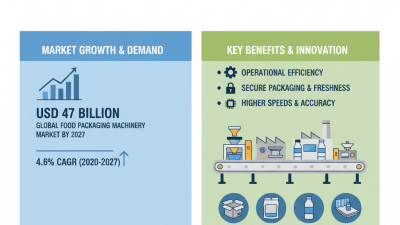
The landscape of industrial food packaging machines is rapidly evolving. According to a recent market report, the global food packaging industry is projected to reach $500 billion by 2026. This growth is driven by consumer demands for convenience and sustainability. Innovations in packaging technology are essential in meeting these demands.
Firms are adopting automation to improve efficiency. Machines now offer smarter solutions with enhanced safety features. For example, vacuum-sealing methods not only extend shelf life but also reduce food waste. However, challenges remain, such as high initial costs and the need for skilled labor.
Despite advancements, some packaging solutions still fail to meet sustainability goals. The push for eco-friendly materials remains a significant hurdle. More research is needed to balance cost and environmental impact. The future of industrial food packaging machines lies in addressing these gaps while embracing innovation.
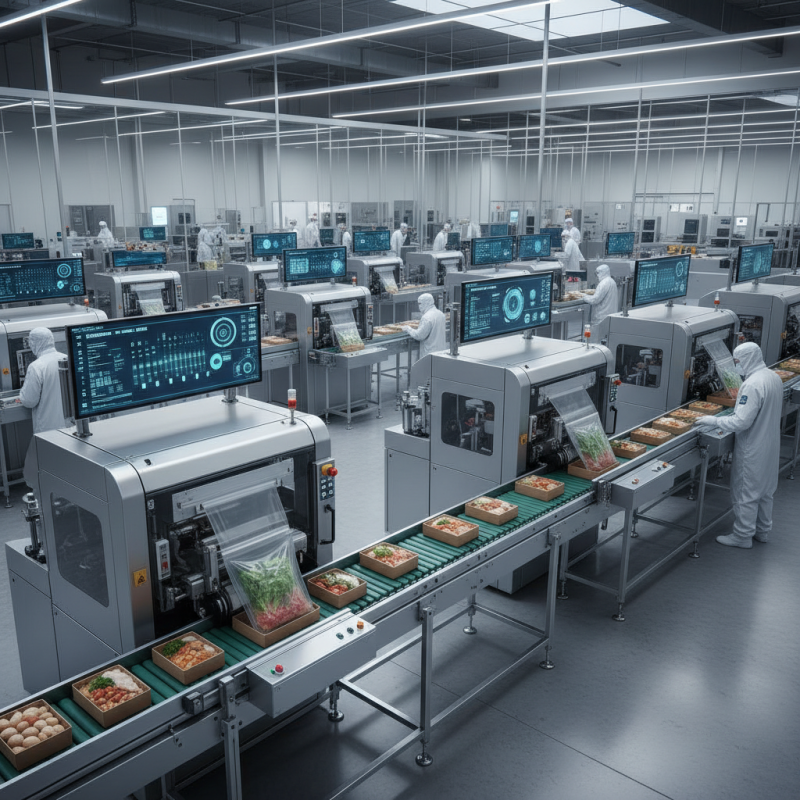
Overview of Industrial Food Packaging Machines in 2026
In 2026, industrial food packaging machines are evolving rapidly. Innovations focus on
sustainability and efficiency. Producers are exploring renewable materials. As the market expands,
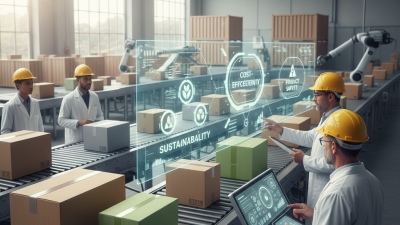
machinery adapts to changing consumer preferences. Automated processes reduce human error, improving production rates.
Tip: Consider eco-friendly materials for your packaging solutions. They resonate well with eco-conscious consumers.
New technologies like smart sensors are gaining traction. They monitor product quality in
real-time, ensuring freshness. This innovation can be costly and requires skilled operators. However, the benefits may outweigh
the challenges.
Tip: Invest in training your staff on new machinery. It will enhance productivity and maintain quality.
As these trends unfold, businesses must reflect on their practices. Some companies may struggle to keep pace with innovations.
Yet, adapting can lead to greater success. Adjusting strategies could be key to thriving in this
competitive landscape.
Key Trends Shaping the Future of Food Packaging Technologies
The future of food packaging technologies is influenced by several key trends. Sustainability tops the list. Many companies aim to reduce plastic waste. Biodegradable materials are gaining popularity. These materials break down naturally, causing less environmental harm. However, not all biodegradable options perform well in different conditions. This inconsistency raises concerns about their effectiveness in real-world applications.
Automation is another significant trend. Advanced machines streamline packaging processes. They enhance efficiency and reduce labor costs. However, investing in automation can be daunting. Initial costs can be high, and smaller businesses may struggle. The balance between technology and affordability is a constant challenge.
Smart packaging is also on the rise. Sensors and indicators can improve food safety. They help monitor freshness and detect spoilage. Yet, implementing smart technology poses its own difficulties. The complexity can confuse staff, impacting overall effectiveness. As these trends evolve, the industry must reflect on these challenges for meaningful advancements.
Innovations in Sustainable Materials for Food Packaging
The food packaging industry is rapidly evolving. Innovations in sustainable materials are crucial for meeting environmental standards. According to a recent report by Smithers Pira, the market for sustainable packaging is projected to reach $500 billion by 2026. This reflects a growing awareness of ecological issues.
Biodegradable options are gaining traction. Materials like plant-based polymers and recycled paper are becoming more popular. They reduce environmental impact significantly. However, challenges remain. Some bio-based plastics still lose their effectiveness in certain conditions. This leads to a need for further research and development.
Consumer demands also play a role. More shoppers prefer eco-friendly options. A survey showed that 73% of consumers are willing to pay more for sustainable packaging. Yet, not all companies can meet these expectations. Cost and availability of sustainable materials can hinder progress. The industry must find a balance between innovation and practicality.
2026 Top Industrial Food Packaging Machines: Trends and Innovations - Innovations in Sustainable Materials for Food Packaging
| Packaging Type |
Material Type |
Sustainability Rating |
Innovation Level |
Market Growth (%) |
| Flexible Packaging |
Biodegradable Plastics |
High |
Moderate |
15% |
| Rigid Containers |
Recycled Paperboard |
Very High |
High |
20% |
| Glass Packaging |
Recycled Glass |
High |
Low |
10% |
| Metal Cans |
Aluminum from Post-Consumer Waste |
Medium |
High |
12% |
| Compostable Films |
Plant-Based Polymers |
Very High |
Very High |
18% |
Automation and Robotics in Food Packaging Processes
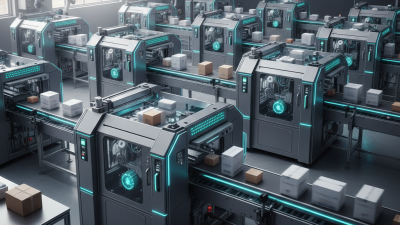
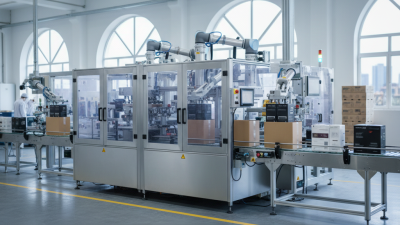
Automation and robotics are reshaping the food packaging industry. These advanced technologies enhance efficiency and precision. For example, robotic arms can pack products at high speeds, reducing labor costs. Conveyor systems can transport items seamlessly, minimizing manual handling. The result is a faster packaging process that meets growing consumer demands.
However, the integration of these technologies isn't without challenges. Many companies face high initial costs and the need for specialized training. Not all employees adapt quickly to new systems, leading to potential disruptions. It's crucial to balance technology with human oversight. After all, errors in packaging can have significant consequences, from product waste to consumer dissatisfaction.
As the industry evolves, continuous innovation is essential. Exploring new materials and smarter AI systems can improve flexibility. Companies must reflect on their automation strategies to maximize benefits while minimizing drawbacks. This ongoing journey will define the future of food packaging.
2026 Industrial Food Packaging Machines: Automation Trends
Impact of Smart Technology on Food Packaging Efficiency
The integration of smart technology in food packaging is reshaping the industry. Automated systems are increasingly utilized to improve efficiency. These systems streamline production, reduce waste, and enhance the shelf life of products. This means fresher food for consumers. However, not all implementations have gone smoothly. Technical glitches can disrupt operations, leading to delays.
Another notable trend is the use of sensors and IoT devices. These technologies provide real-time data on temperature and humidity. This data helps ensure optimal conditions during transportation. Nonetheless, reliance on technology raises concerns about data security. Companies must address potential vulnerabilities to protect sensitive information.
Efforts to incorporate these innovations can lead to a competitive edge. Yet, the learning curve can be steep. Many companies struggle to adapt to these changes. Training staff and reevaluating traditional methods require time and resources. This transition might not be flawless, but the potential benefits are substantial. Embracing smart packaging can ultimately drive progress in the food packaging sector.