2025 Top 5 Food Bagging Machines You Need to Know About
The food bagging machine industry has seen significant advancements in recent years, driven by the need for efficiency and precision in packaging processes. According to a report by Grand View Research, the global food packaging machinery market is expected to reach $35.9 billion by 2025, with growing demand for automated systems being a primary factor. As industries seek to increase production rates and reduce labor costs, the adoption of sophisticated food bagging machines becomes essential.
Industry expert Dr. James Martin, a leading figure in food processing technology, emphasizes, “The evolution of food bagging machines is reshaping the packaging landscape, enabling businesses to achieve higher throughput and maintain food safety standards.” This statement underlines the importance of investing in the right technology for the future of food packaging. The upcoming year, 2025, is positioned to witness a surge in innovative models that not only enhance efficiency but also incorporate sustainable practices.
In this article, we will explore the top five food bagging machines that are set to dominate the market in 2025. These machines will represent the pinnacle of technology, featuring enhancements in automation, speed, and adaptability to different types of food products, ensuring that manufacturers can meet the evolving demands of consumers and regulations alike.
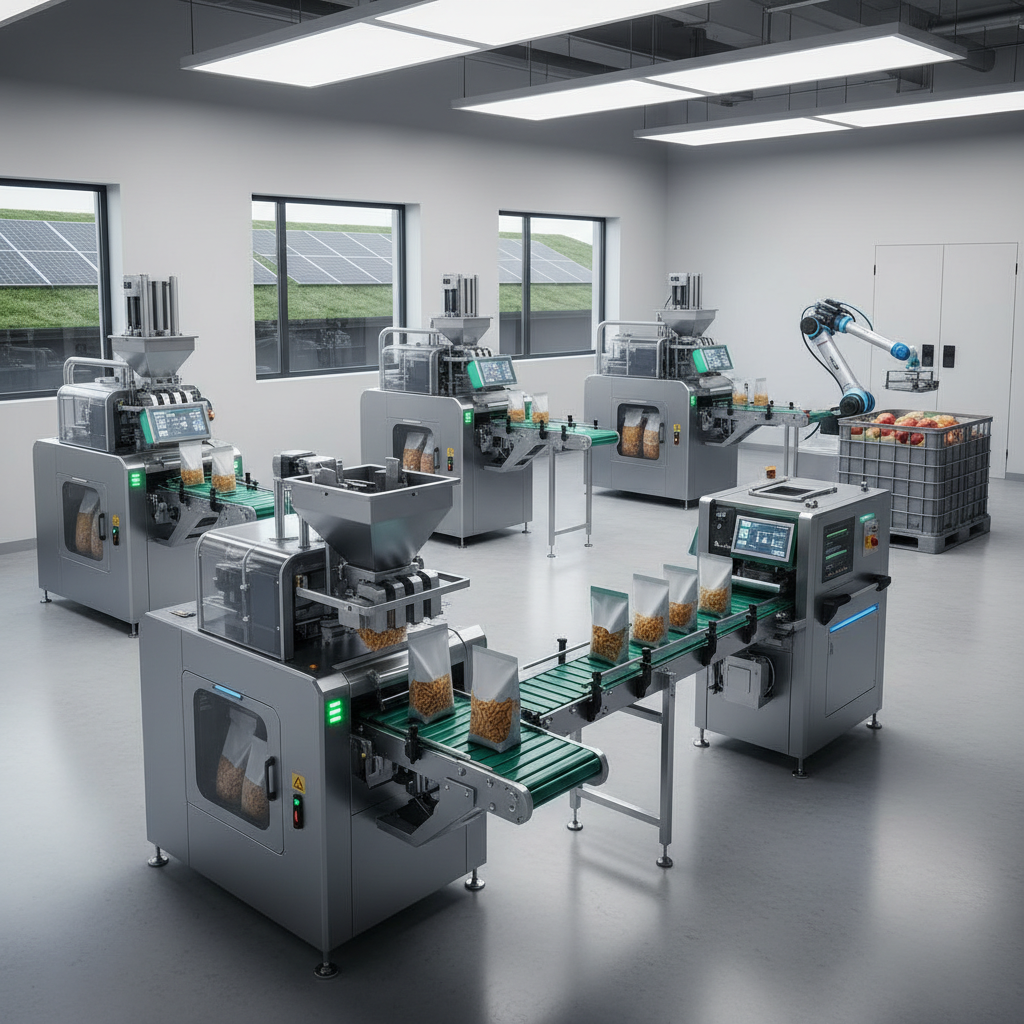
The Rise of Automatic Food Bagging Machines in 2025
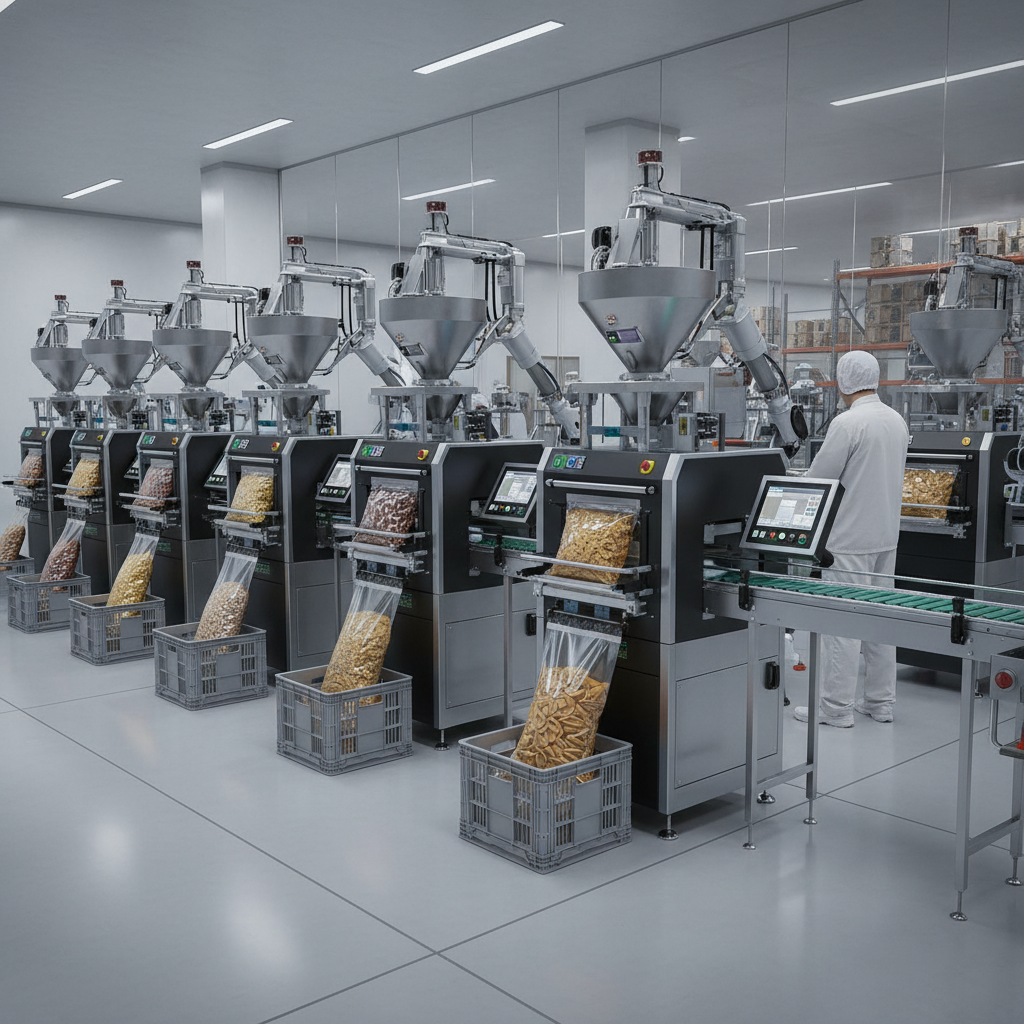
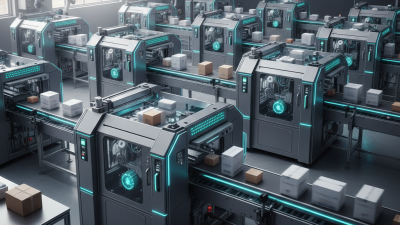
The rise of automatic food bagging machines in 2025 marks a significant shift in the food packaging industry. As automation technology advances, these machines are becoming increasingly popular due to their efficiency and ability to reduce labor costs. Companies are investing in these systems to enhance their production lines, allowing for faster packaging and improved accuracy in filling and sealing. This shift not only meets the growing demand for packaged food but also addresses the challenges posed by labor shortages in the food industry.
The global market for food bagging machines is expected to see substantial growth in the coming years. With projections indicating a rise from $0.95 billion in 2025 to over $1.36 billion by 2032 in related sectors, businesses are recognizing the importance of automation. The integration of advanced technologies, such as machine learning and AI, into bagging systems will enable producers to optimize their processes further. As a result, food manufacturers are not just looking at immediate gains but are also focusing on sustainable practices that these automated solutions afford, setting the stage for innovation and expansion in the packaging sector.
Key Features to Look for in Top Food Bagging Machines
When choosing the best food bagging machines, several key features should be prioritized to ensure efficiency and reliability. First and foremost, the machine's speed is crucial; a high-speed bagging machine can significantly enhance productivity by accommodating a larger volume of products within a shorter time frame. Additionally, the ability to handle various bag sizes and types is essential, allowing flexibility in packaging different food items, whether they are bulk products or individual servings.
Another important consideration is the machine's accuracy in measuring and filling. Consistent portioning not only minimizes waste but also meets industry standards for product quality. Features such as adjustable fill settings and precise weighing systems are vital for achieving this accuracy. Moreover, ease of cleaning and maintenance should not be overlooked. Hygiene is particularly critical in food processing, so machines designed with removable parts and smooth surfaces facilitate thorough cleaning and compliance with health regulations.
By focusing on these features, businesses can invest in bagging machines that enhance operational efficiency and product safety.
Comparative Analysis of Leading Food Bagging Technologies
In the evolving landscape of food packaging, the significance of efficient bagging machines cannot be overstated. The comparative analysis of leading food bagging technologies reveals a spectrum of innovations designed to enhance efficiency and sustainability. With an increasing demand for automation, organizations are investing in high-speed, user-friendly machines that integrate seamlessly with existing production lines. Not only do these machines reduce time and labor costs, but they also improve packaging consistency and accuracy.
Tips: When considering the right food bagging machine for your business, evaluate your production volume and the types of products you are packaging.
Investing in a machine with customizable settings can allow for greater versatility and adaptability as product lines evolve. Additionally, prioritize energy-efficient models to reduce operational costs in the long run.
Emerging trends in materials, notably the shift toward sustainable options, are shaping the future of food bagging technologies. With projections indicating considerable market growth, understanding these technological advancements will be paramount for businesses aiming to stay competitive. Selecting bagging solutions that align with eco-friendly practices can not only enhance brand reputation but also cater to the increasing consumer demand for sustainability.
The Impact of Food Bagging Machines on Efficiency and Waste Reduction
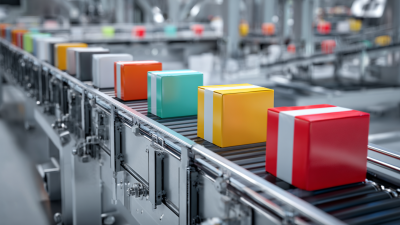
Food bagging machines play a significant role in enhancing efficiency in food production and packaging processes. By automating the bagging process, these machines drastically reduce the time required for manual labor, allowing companies to increase their output. This shift not only accelerates production but also ensures consistency in the packaging dimensions and volumes, which is crucial for maintaining product quality and appearance. As a result, food manufacturers can meet consumer demand more effectively while optimizing their operational workflows.
In addition to boosting efficiency, food bagging machines contribute to waste reduction. Traditional manual bagging often leads to material waste due to human error or improper sealing techniques. Advanced bagging technology ensures accurate measurements and reliable sealing, minimizing the risk of leaks and spoilage. Furthermore, many modern machines are designed to use eco-friendly materials, aligning production practices with sustainable goals. By investing in these innovations, businesses not only enhance their operational capabilities but also promote environmental responsibility in the food industry.
Future Trends in Food Packaging Automation for 2025 and Beyond
As we look towards 2025, the food packaging automation industry is poised for significant advancements, driven by trends such as sustainability and technological integration. According to a report by MarketsandMarkets, the global food packaging market is expected to reach $500 billion by 2025, with automation playing a crucial role in enhancing production efficiency and reducing labor costs.
These shifting dynamics will encourage manufacturers to adopt smarter machines that not only pack food faster but also minimize waste through optimized material usage.
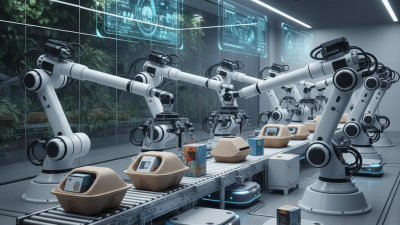
In addition, the integration of artificial intelligence and machine learning into food bagging machines is transforming operational capabilities. A study by ResearchAndMarkets indicates that the AI-enabled food processing market is projected to grow at a CAGR of around 9% from 2020 to 2025. This technology allows for real-time monitoring and adjustments in packaging processes, improving accuracy and speed while also ensuring adherence to food safety standards.
As the demand for customized packaging solutions rises, companies that leverage these innovations will likely gain a competitive edge in an increasingly automated food industry.